Kenya (2022 & 2023) — 402 women & men interviewed

Locations: Kibera, Rongai, Kawangware, Narok, Kitui, and Kangemi.
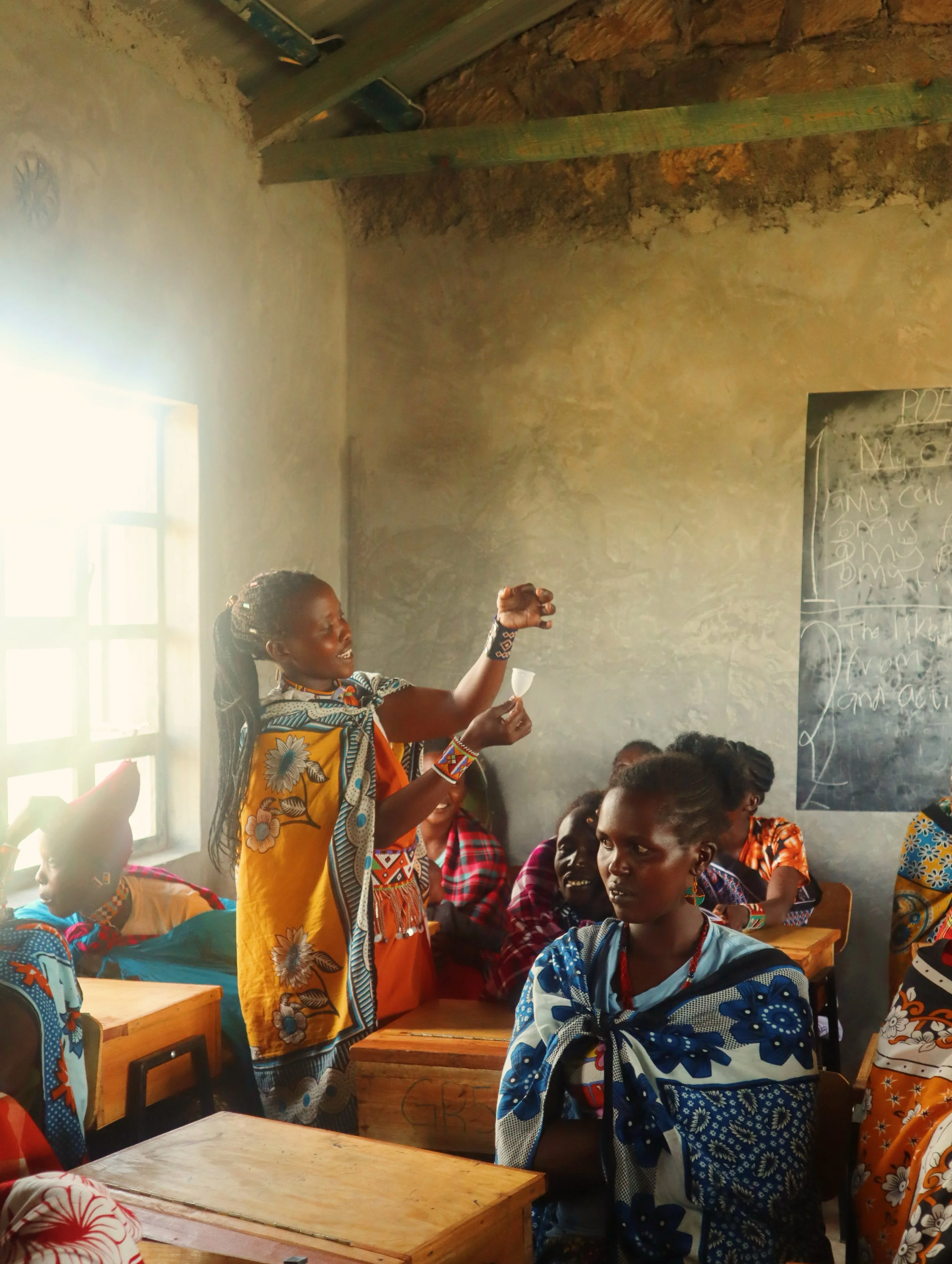
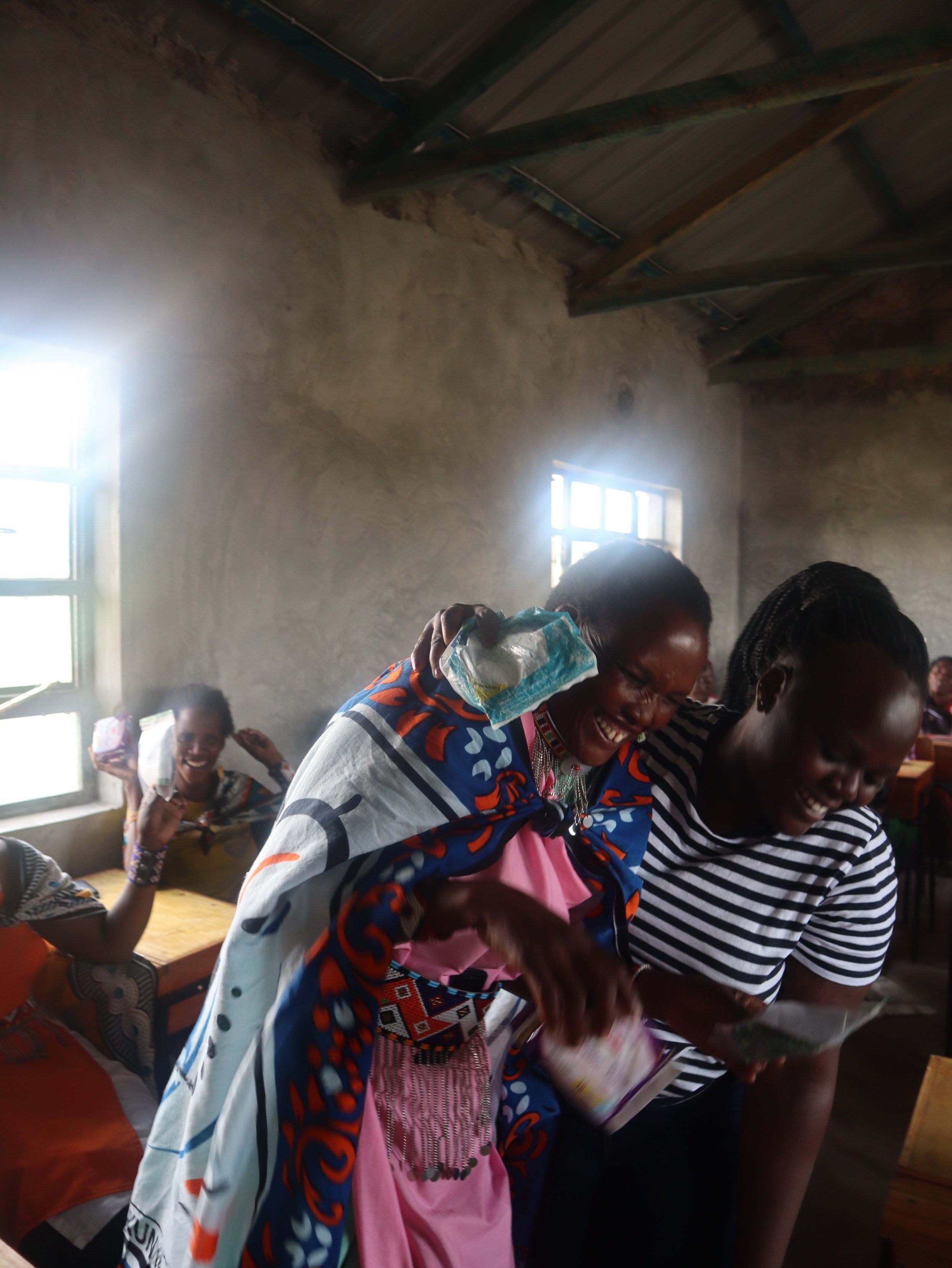
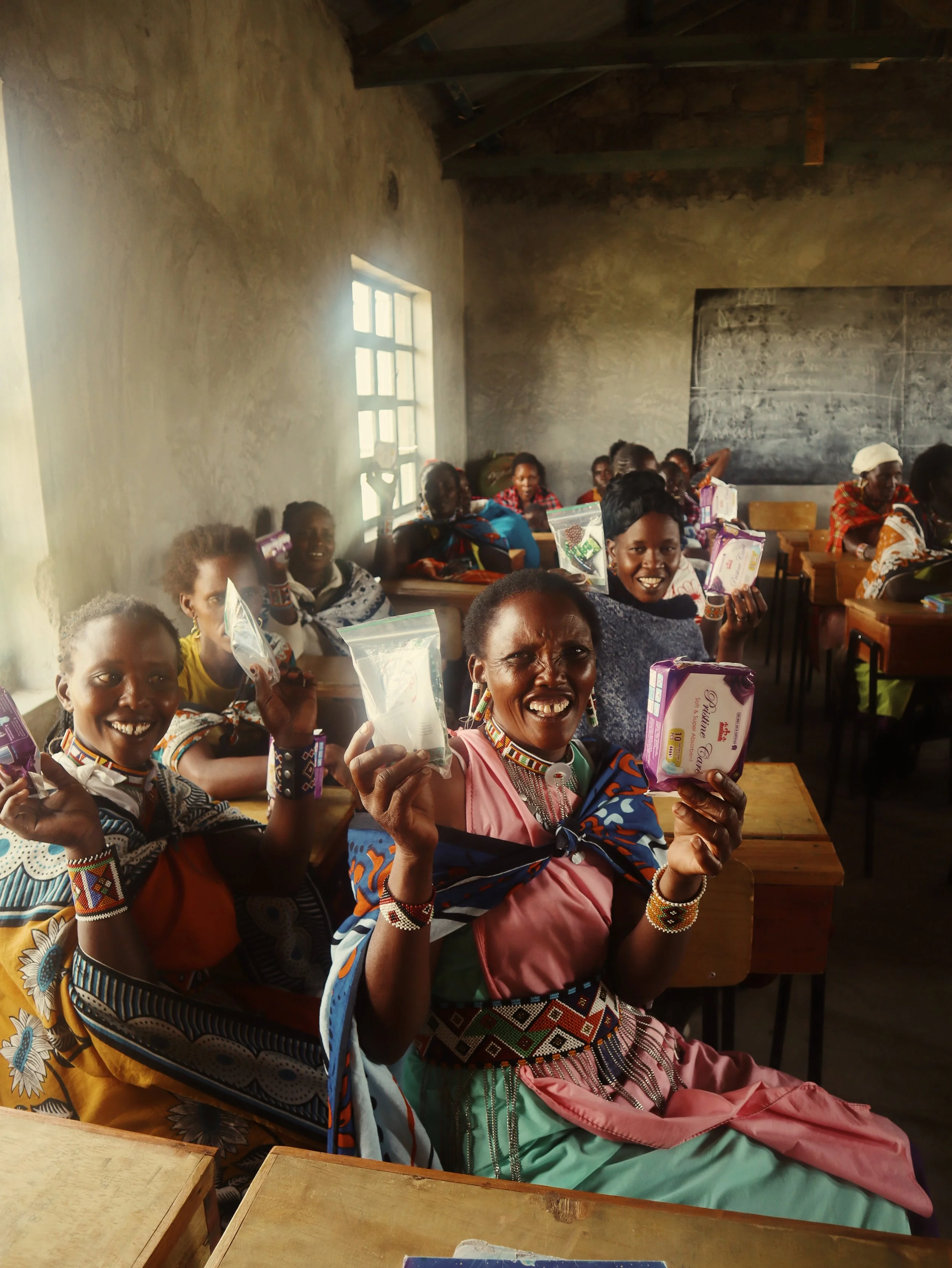
A classroom filled with women of African descent engaged in a discussion. One woman is standing, smiling, and gesturing with her hand, wearing a colorful dress and beaded jewelry. The other women are seated, listening attentively. There is a chalkboard with writing on it and a window allowing sunlight to brighten the room.

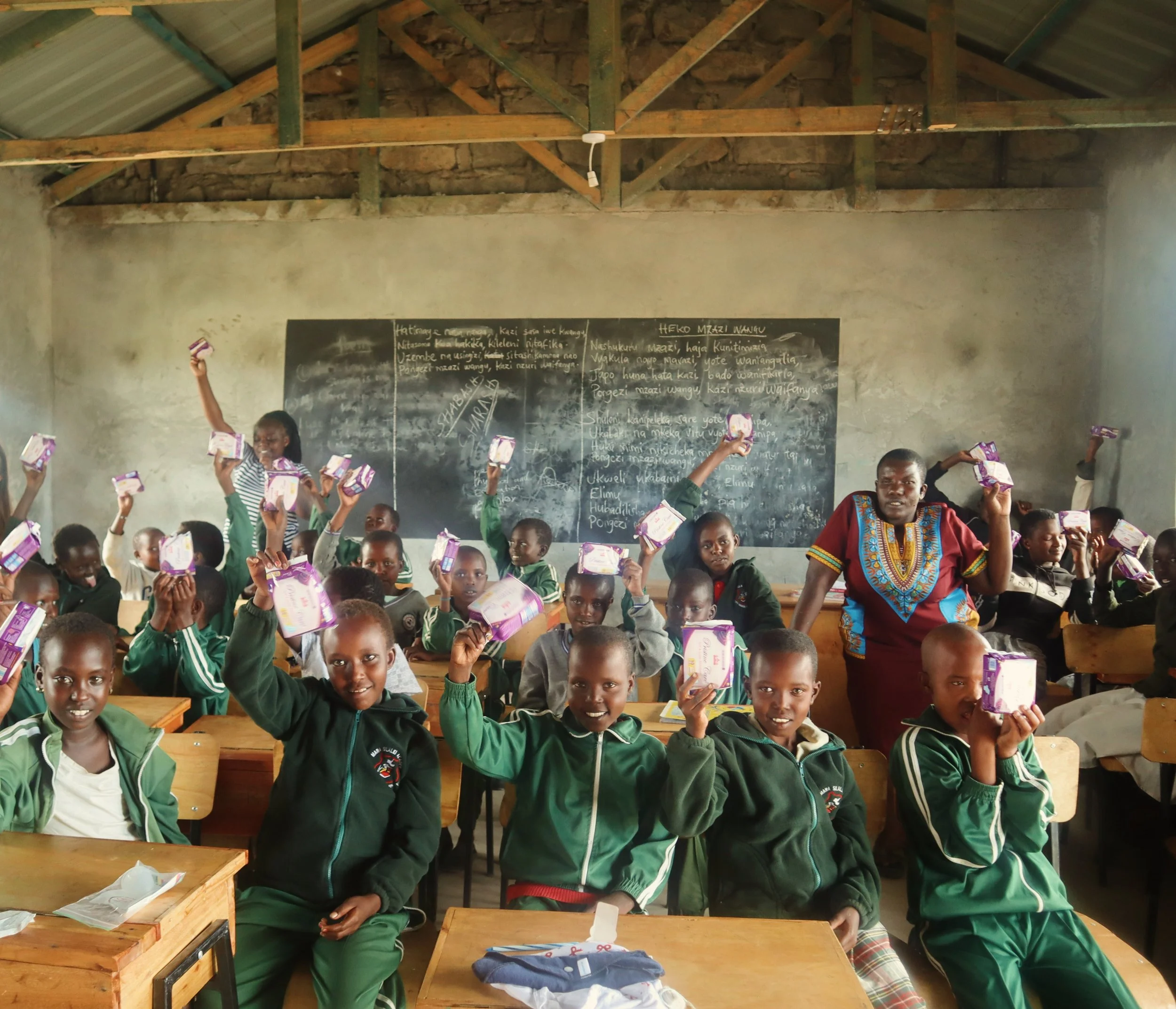
Products used to manage blood includes: rags, cotton, wool, blankets, newspaper, towels, pads, mattress filling, reusable pads, sitting on holes, oiled animal skins, menstrual cups, and tampons.

“We dig on a hole in the ground inside the house and sit on it to collect blood for sometimes 12 hours”

“[I] sometimes have to use one pad for two months”
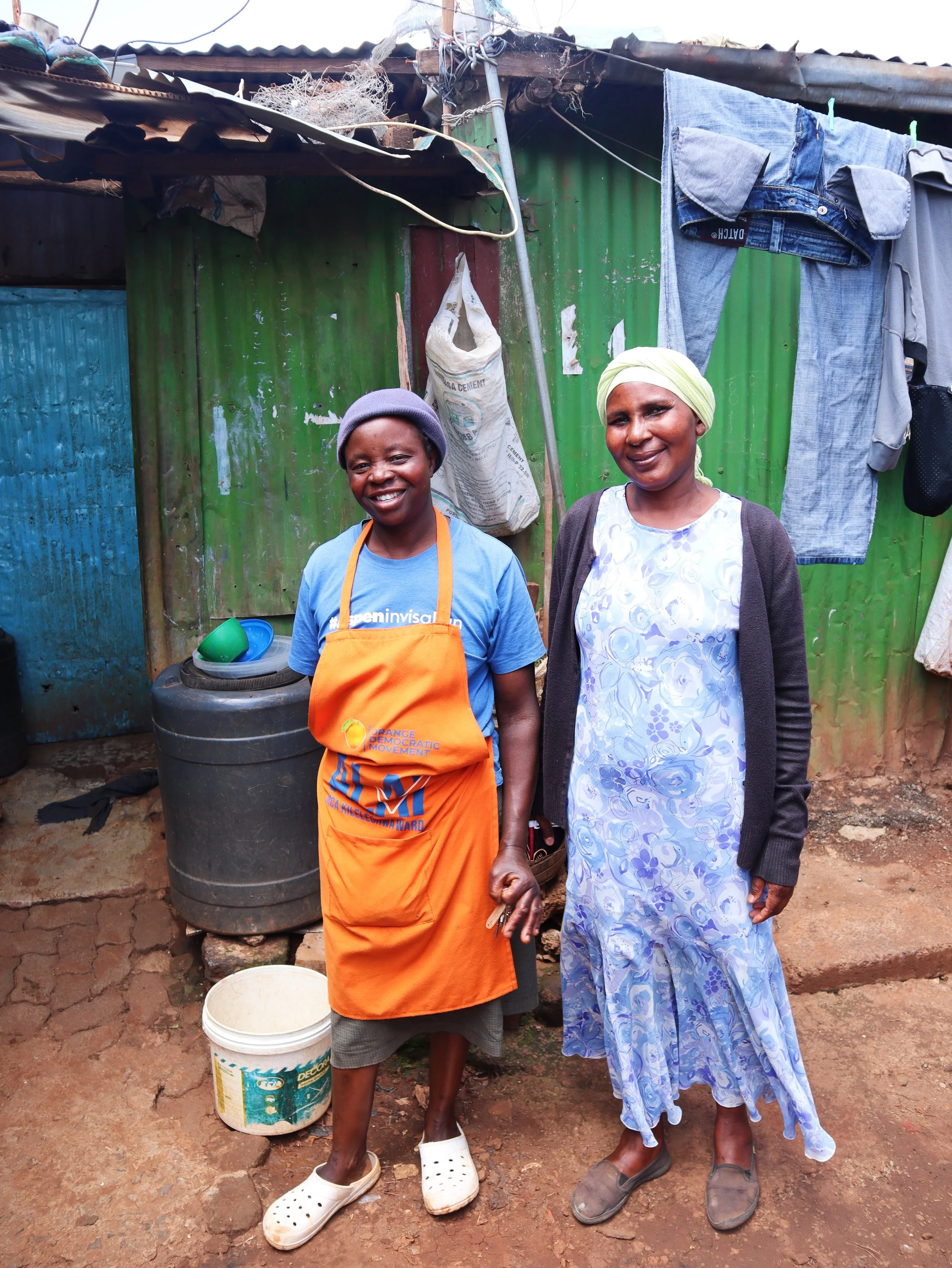
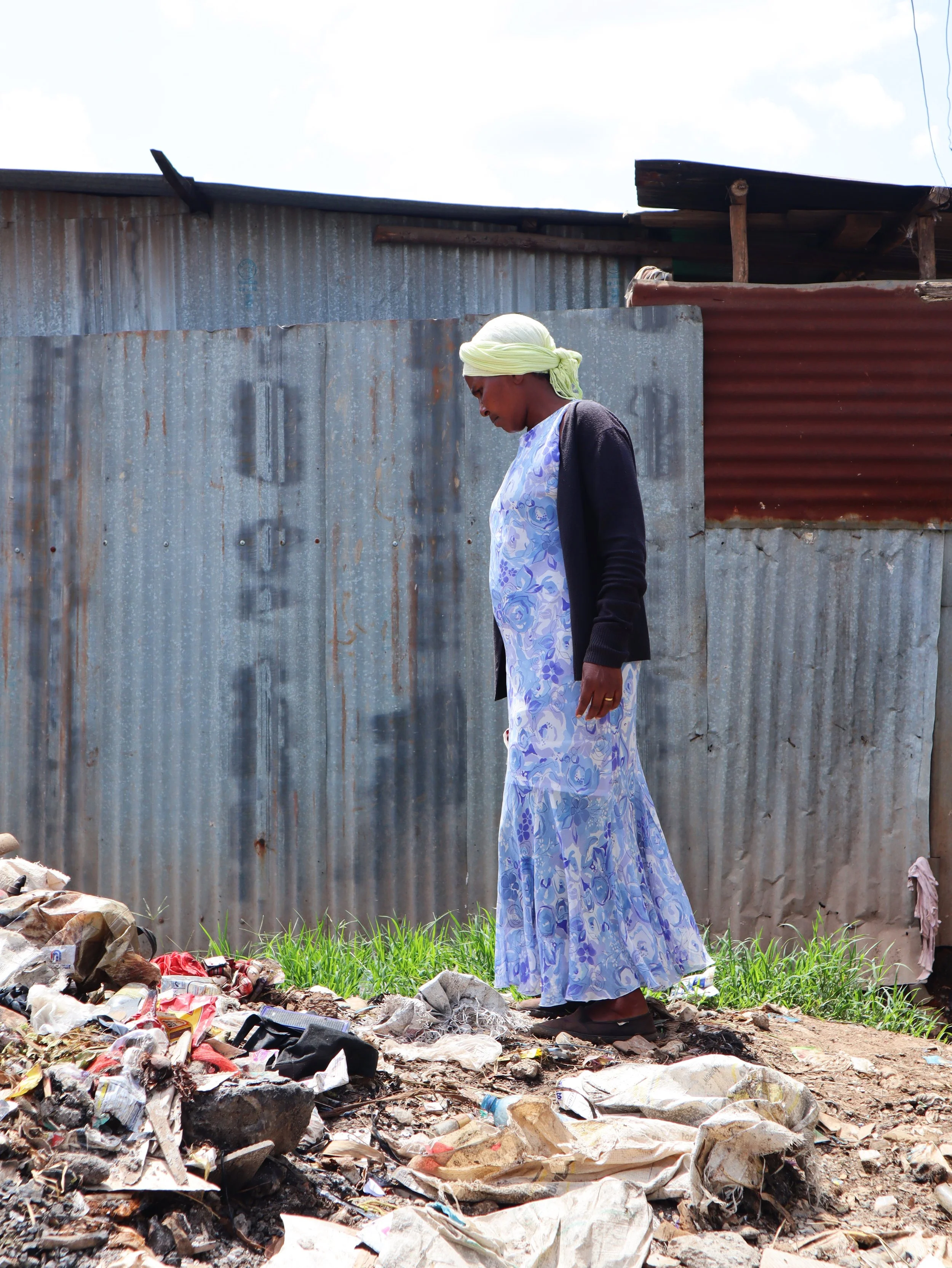
A woman walking through a polluted area with trash and debris on the ground, next to a corrugated metal fence. She is wearing a light green headscarf and a blue patterned dress.

83.63% said they personally participate or know someone who trades sex for pads.

“Sex for pads is the main reason females participate in transactional sex because pads are the most inaccessible basic need.”

Read more

“Your vagina is your bank. It’s so discouraging. I want to tell men to help girls but not take advantage of girls. Don’t ask for sex”